


Many couples spend months hoping pregnancy will happen naturally, believing they simply need more time. While patience is important, delaying a fertility evaluation for too long can reduce treatment options, especially as age advances. Knowing when to consult an IVF specialist in Salem can help identify underlying issues early and improve the chances of successful treatment.
Infertility is generally defined as the inability to conceive after one year of regular, unprotected intercourse for couples where the woman is under 35 years of age. If the woman is 35 or older, medical evaluation is usually recommended after six months of trying. Women over 40 should consider seeking fertility advice even sooner.
Several medical conditions may also require earlier consultation regardless of age. Women with irregular menstrual cycles, absent periods, severe menstrual pain, endometriosis, polycystic ovary syndrome (PCOS), or previous pelvic infections may benefit from an earlier fertility assessment.
Male fertility is equally important. Low sperm count, poor sperm motility, previous surgeries, hormonal disorders, or certain medical conditions can affect conception. Since infertility may involve either partner or both, fertility specialists usually recommend evaluating both individuals together.
An initial consultation often includes:
- Detailed medical history
- Lifestyle assessment
- Hormone testing
- Ultrasound examination
- Ovarian reserve evaluation
- Semen analysis
- Review of previous treatments or pregnancies
These investigations help determine whether natural conception remains likely or whether fertility treatment should be considered.
Many couples assume IVF is always the first treatment offered, but that is not the case. Depending on the diagnosis, fertility specialists may initially recommend lifestyle modifications, ovulation induction, timed intercourse, or intrauterine insemination before considering IVF. Treatment decisions are based on medical findings rather than a fixed sequence.
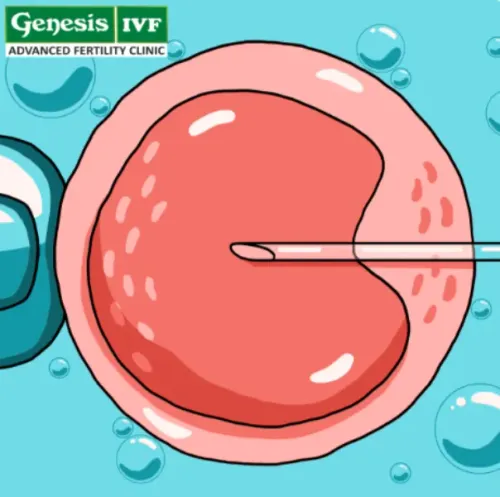
There are situations where IVF may become the preferred option from the beginning. These include blocked fallopian tubes, severe male infertility, significantly reduced ovarian reserve, repeated pregnancy loss linked to certain genetic conditions, or unsuccessful results from previous fertility treatments.
Couples from Salem and nearby areas increasingly seek early fertility consultations because prompt diagnosis often provides more treatment choices. Early intervention can identify conditions that may be manageable before they become more complicated, reducing unnecessary delays in achieving pregnancy.
Emotional well-being should also be considered. Months or years of unsuccessful attempts can lead to stress, anxiety, and uncertainty. Speaking with a qualified fertility specialist provides clarity about the reasons behind infertility and helps couples make informed decisions instead of relying on assumptions or misinformation.
Genesis IVF supports couples through comprehensive fertility evaluations designed to identify the most appropriate treatment pathway based on individual medical needs. Rather than recommending the same approach for everyone, the focus remains on evidence-based diagnosis and personalized reproductive care.
Seeking professional advice does not automatically mean IVF is necessary. Instead, it offers answers, identifies potential barriers to conception, and helps couples understand the most effective options available. Early consultation can often make a meaningful difference in planning the journey toward parenthood.