

Starting a family is a dream for many couples, but for some, achieving pregnancy naturally may take longer than expected. Infertility can affect both men and women, and it is more common than many people realize. Fortunately, medical advancements have made parenthood possible for countless families through IVF treatment in Salem and other assisted reproductive techniques.
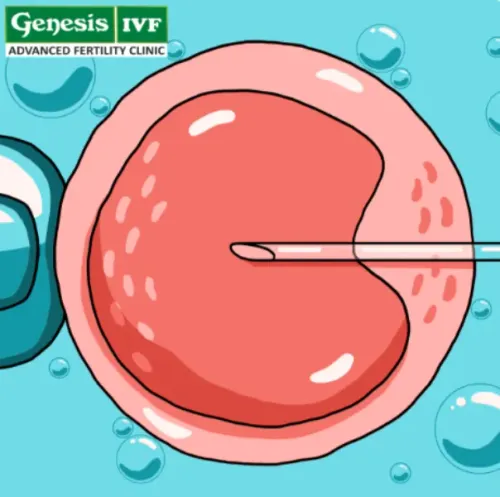
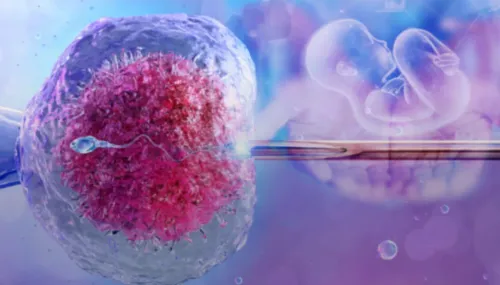
In Vitro Fertilization, commonly known as IVF, is a fertility treatment where eggs are retrieved from the ovaries and fertilized with sperm in a laboratory. Once healthy embryos develop, one or more are transferred into the uterus with the goal of achieving a successful pregnancy. IVF is recommended when other fertility treatments have not produced results or when certain medical conditions reduce the chances of natural conception.
Couples may be advised to consider IVF for several reasons, including blocked or damaged fallopian tubes, severe male infertility, ovulation disorders, endometriosis, unexplained infertility, advanced maternal age, or previous unsuccessful fertility treatments. Every couple's fertility journey is different, which is why a personalized evaluation is essential before deciding on the most appropriate treatment.
The IVF process involves several carefully planned stages. The first step is a detailed fertility assessment that includes medical history, hormone evaluation, ultrasound scans, and semen analysis. Based on these findings, fertility specialists create a customized treatment plan.
The next phase involves ovarian stimulation using fertility medications that encourage the development of multiple mature eggs. During this period, regular monitoring through blood tests and ultrasound scans helps doctors determine the right time for egg retrieval.
Egg retrieval is a minimally invasive procedure performed under mild anesthesia. The collected eggs are then fertilized with healthy sperm in a specialized laboratory. Over the next few days, embryologists monitor embryo development and identify the healthiest embryos for transfer.
Embryo transfer is a simple procedure that usually does not require anesthesia. After the transfer, patients enter the waiting period before undergoing a pregnancy test to determine whether implantation has been successful.
Success rates depend on several factors rather than the procedure alone. These include the woman's age, egg quality, sperm health, underlying medical conditions, embryo quality, and lifestyle habits. Maintaining a healthy weight, following medical advice, managing stress, and avoiding smoking and alcohol can positively influence treatment outcomes.
Many couples in Salem and across Tamil Nadu seek fertility care closer to home because regular monitoring is an important part of the treatment process. Choosing a centre with experienced fertility specialists, advanced laboratory facilities, transparent communication, and individualized treatment plans can make the journey more comfortable and reassuring.
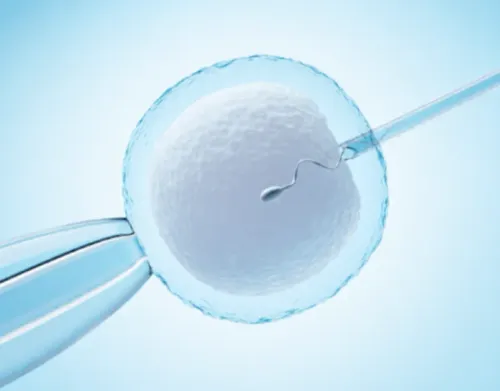
It is equally important to understand that IVF is not a one-size-fits-all treatment. Some couples may require additional procedures such as Intracytoplasmic Sperm Injection (ICSI), embryo freezing, genetic testing, or donor programs depending on their medical condition. A thorough consultation helps determine which approach offers the best chance of success.
Genesis IVF is one of the fertility centres supporting couples in Salem with evidence-based reproductive care and individualized treatment planning. Patients are encouraged to ask questions, understand every stage of the process, and make informed decisions throughout their fertility journey.
Seeking timely medical advice is often the first and most important step toward parenthood. Understanding how IVF works helps couples approach treatment with realistic expectations, greater confidence, and a clearer path toward achieving their dream of building a family.