


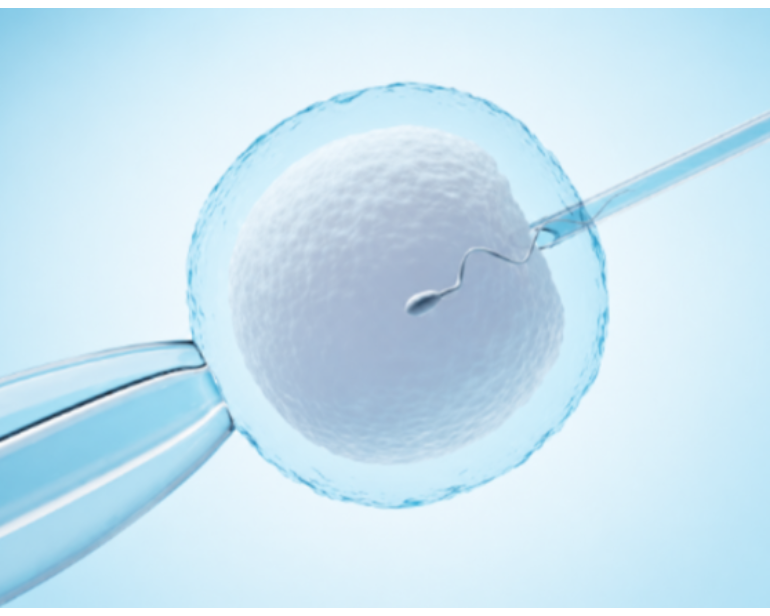
Many couples researching fertility treatment come across the term ICSI alongside IVF and wonder whether the two procedures are the same. Although they are closely related, Intracytoplasmic Sperm Injection, or ICSI, is a specialized laboratory technique used as part of an IVF cycle in selected cases. Understanding when IVF ICSI treatment in Salem may be recommended helps couples make informed decisions during their fertility journey.
In conventional IVF, eggs and sperm are placed together in a laboratory dish, allowing fertilization to occur naturally. With ICSI, an embryologist selects a single healthy sperm and injects it directly into a mature egg using highly specialized equipment. This technique increases the chances of fertilization when certain fertility challenges are present.
ICSI is commonly recommended for severe male infertility. Conditions such as low sperm count, poor sperm movement, abnormal sperm shape, or difficulties with sperm retrieval may reduce the likelihood of natural fertilization. In these situations, ICSI helps overcome barriers that conventional IVF alone may not address effectively.
Doctors may also recommend ICSI for couples who have experienced previous IVF cycles with poor fertilization results. By directly introducing a healthy sperm into the egg, embryologists can improve fertilization rates when laboratory findings suggest this approach is appropriate.
Other situations where ICSI may be considered include:
- Surgical sperm retrieval procedures
- Frozen sperm samples with limited availability
- Certain unexplained infertility cases
- Use of genetically tested embryos
- Fertility preservation in selected patients
Not every couple undergoing IVF requires ICSI. Fertility specialists recommend the technique only after carefully evaluating both partners' medical history, semen analysis, egg quality, and previous treatment outcomes.
The treatment process begins similarly to standard IVF. Ovarian stimulation encourages multiple eggs to mature, followed by egg retrieval under medical supervision. After collecting sperm, embryologists perform the ICSI procedure in a controlled laboratory environment. Fertilized eggs are then monitored as they develop into embryos before the healthiest embryo is selected for transfer.
Because fertilization occurs under highly controlled laboratory conditions, the expertise of the embryology team becomes particularly important. Advanced laboratory equipment, strict quality standards, and experienced embryologists contribute to successful embryo development throughout the treatment process.
Couples from Salem and nearby districts increasingly seek fertility centres that provide both IVF and advanced laboratory procedures such as ICSI under one roof. Access to comprehensive reproductive services allows specialists to recommend individualized treatment without unnecessary referrals or delays.
Genesis IVF offers advanced assisted reproductive technologies, including ICSI, for couples requiring specialized fertility care. Treatment recommendations are based on detailed diagnostic findings, ensuring that every procedure supports the specific needs of the patient rather than following a routine protocol.
Learning about ICSI helps couples better understand the options available within modern fertility care. When recommended for the right medical reasons, this specialized technique can improve fertilization outcomes and provide another pathway toward achieving a healthy pregnancy.