

Family planning does not always follow the same timeline for everyone. Some women choose to delay pregnancy because of education, career goals, personal circumstances, or medical treatment. Others may face health conditions that could affect future fertility. In these situations, IVF egg freezing in Salem offers an opportunity to preserve reproductive potential for the future.
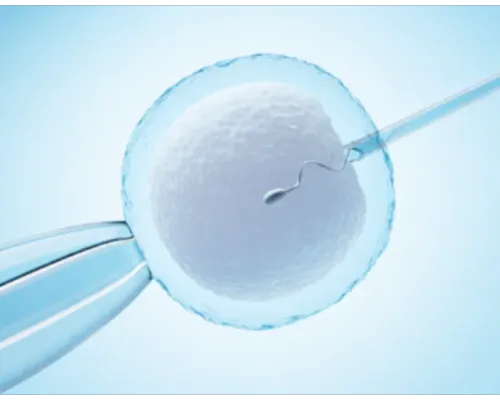
Egg freezing, also known as oocyte cryopreservation, is a fertility preservation technique where mature eggs are collected, carefully frozen, and stored for future use. When a woman is ready to plan pregnancy, the frozen eggs can be thawed, fertilized through IVF, and transferred as embryos.
One of the most common reasons women consider egg freezing is age-related fertility decline. Female fertility naturally decreases over time, particularly after the mid-thirties, as both the number and quality of eggs gradually reduce. Freezing healthy eggs at a younger age may increase future reproductive options.
Medical conditions also make fertility preservation an important consideration. Women preparing for chemotherapy, radiation therapy, or certain surgeries may choose egg freezing before treatment begins, as these therapies can sometimes affect ovarian function.
Other situations where egg freezing may be appropriate include:
- Delaying pregnancy for personal reasons
- Low ovarian reserve identified during fertility evaluation
- Family history of early menopause
- Certain reproductive health conditions
- Fertility preservation before ovarian surgery
The egg freezing process is similar to the first part of an IVF cycle. Fertility medications stimulate the ovaries to produce multiple mature eggs, which are monitored through ultrasound scans and blood tests. Once the eggs are ready, they are retrieved using a minimally invasive procedure performed under medical supervision.
After retrieval, mature eggs are rapidly frozen using advanced cryopreservation techniques designed to protect their quality during long-term storage. The eggs remain preserved until the individual decides to use them in the future.
Although egg freezing offers additional reproductive flexibility, it does not guarantee pregnancy. Success depends on several factors, including the woman's age at the time of freezing, the number of eggs preserved, overall reproductive health, and embryo development during future IVF treatment.
Couples and individuals in Salem increasingly seek fertility preservation because it allows them to make family planning decisions based on personal readiness rather than biological timelines alone. Early consultation with a fertility specialist provides a better understanding of whether egg freezing is appropriate for individual circumstances.
Genesis IVF provides fertility preservation services supported by personalized medical evaluation and modern reproductive technology. Every recommendation is based on the patient's medical history, reproductive goals, and long-term family planning considerations.
Egg freezing represents an important advancement in reproductive medicine. By understanding who may benefit from fertility preservation and how the process works, women can make informed decisions about protecting their future fertility while keeping their family-building options open.