


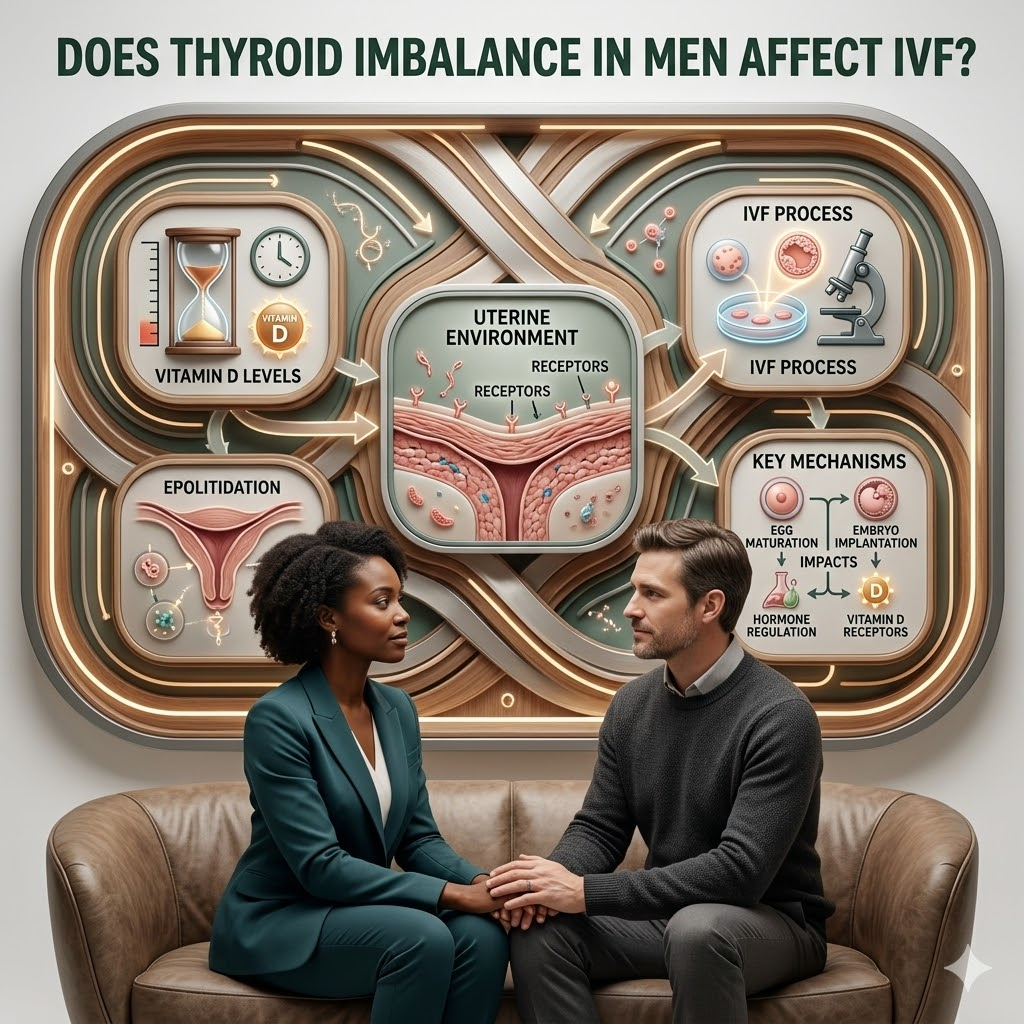
Modern work culture has transformed how we live, work, and connect—but it has also quietly introduced new challenges to reproductive health. Long desk hours, constant screen exposure, and high stress levels are increasingly linked to fertility concerns in both men and women. At Genesis IVF Fertility Hospital in Salem, fertility experts are seeing a growing number of couples affected by lifestyle-related reproductive issues.
The Hidden Impact of Prolonged Sitting
Spending long hours seated can disrupt blood circulation and hormone balance. In men, extended sitting especially with laptops placed on the lap—may increase scrotal temperature, which can affect sperm quality over time. For women, a sedentary routine may contribute to weight gain and insulin resistance, both of which can interfere with ovulation and menstrual regularity.
Screen Time and Hormonal Disruption
Excessive screen use, particularly late at night, can disturb sleep cycles by suppressing melatonin production. Poor sleep quality is closely linked to hormonal imbalance, which plays a crucial role in fertility. Irregular sleep patterns may affect ovulation in women and testosterone levels in men, reducing overall reproductive potential.
Stress: The Silent Fertility Disruptor
Tight deadlines, constant notifications, and work-life imbalance elevate stress hormones like cortisol. Chronic stress can interfere with reproductive hormones, delay ovulation, reduce libido, and negatively impact sperm production. Many couples are unaware that emotional strain alone can lower their chances of conception.
Digital Habits and Lifestyle Choices
Frequent phone usage, lack of physical activity, irregular meals, and dependence on caffeinated drinks are common in high-pressure work environments. Over time, these habits may contribute to nutritional deficiencies and metabolic changes that quietly affect fertility.
How IVF Experts Can Help
At Genesis IVF Fertility Hospital, fertility specialists evaluate not just medical factors but also lifestyle influences. Personalized counseling, fertility assessments, and practical lifestyle modifications help couples regain reproductive balance. Early guidance can prevent minor issues from becoming major fertility barriers.
Conclusion
Your work culture and screen habits may seem harmless, but over time they can quietly affect fertility. Awareness, timely lifestyle adjustments, and expert support make a significant difference. If conception is taking longer than expected, consulting the IVF specialists at Genesis IVF Fertility Hospital, Salem, can help you protect your fertility and move confidently toward parenthood.