

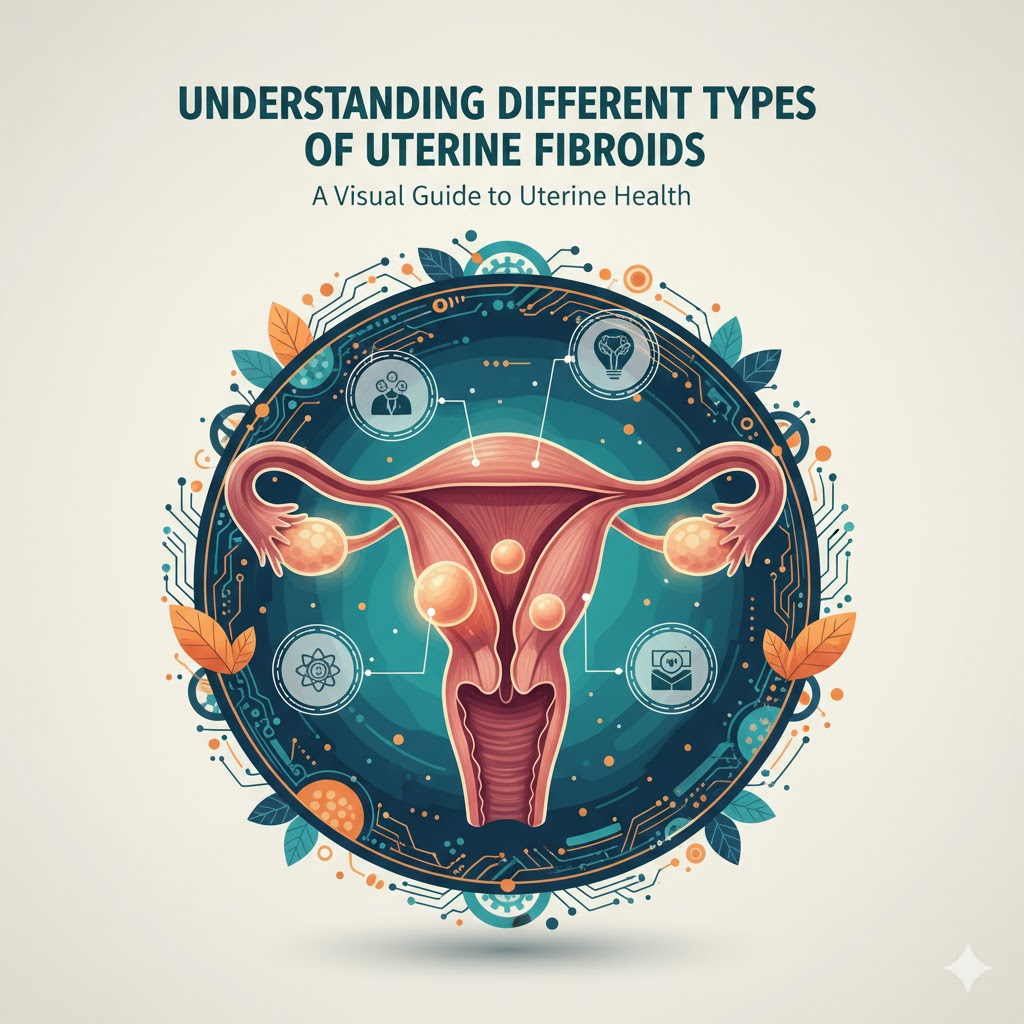
Uterine fibroids are non-cancerous growths that develop in or around the uterus, commonly affecting women during their reproductive years. While many fibroids are harmless, others can cause symptoms that interfere with fertility, menstrual health, and overall well-being. At Genesis IVF Fertility Hospital in Salem, we believe that early understanding and personalized treatment are key to managing fibroids effectively—especially for women trying to conceive.
What Are Uterine Fibroids?
Fibroids, also known as leiomyomas or myomas, are composed of muscle and connective tissue. They can vary in size—from as small as a seed to as large as a melon—and often develop in different locations of the uterus.
Types of Uterine Fibroids
- Intramural Fibroids
- These are the most common type and grow within the muscular wall of the uterus. Large intramural fibroids may distort the uterus and affect implantation during IVF or natural conception.
- Submucosal Fibroids
- Found just beneath the inner lining (endometrium) of the uterus, these fibroids can protrude into the uterine cavity. Even small submucosal fibroids can impact fertility by interfering with embryo implantation or causing heavy menstrual bleeding.
- Subserosal Fibroids
- These fibroids develop on the outer wall of the uterus. While they usually don’t affect fertility directly, large subserosal fibroids can cause pelvic pressure, bloating, or frequent urination.
- Pedunculated Fibroids
- These are fibroids that grow on a stalk either inside (submucosal) or outside (subserosal) the uterus. They may twist, causing sudden pain and requiring surgical attention.
How Fibroids Affect Fertility
Depending on their size and location, fibroids can:
- Block fallopian tubes
- Distort the shape of the uterus
- Prevent embryo implantation
- Increase the risk of miscarriage or complications during pregnancy
Diagnosis and Treatment at Genesis IVF
We use advanced imaging techniques like pelvic ultrasound and hysteroscopy to diagnose fibroids accurately. Our fertility experts then customize a treatment plan, which may include:
- Medication to manage symptoms
- Minimally invasive surgery like hysteroscopic or laparoscopic myomectomy
- Fertility-focused IVF protocols for women trying to conceive despite fibroids
Conclusion
Understanding the different types of uterine fibroids is the first step in addressing their impact on your reproductive health. Whether you have mild symptoms or are struggling with infertility, there is always a solution. At Genesis IVF Fertility Hospital in Salem, our expert team is dedicated to diagnosing fibroids accurately and providing effective, fertility-friendly treatment options. Your path to a healthier uterus and a successful pregnancy starts with the right care and guidance.