
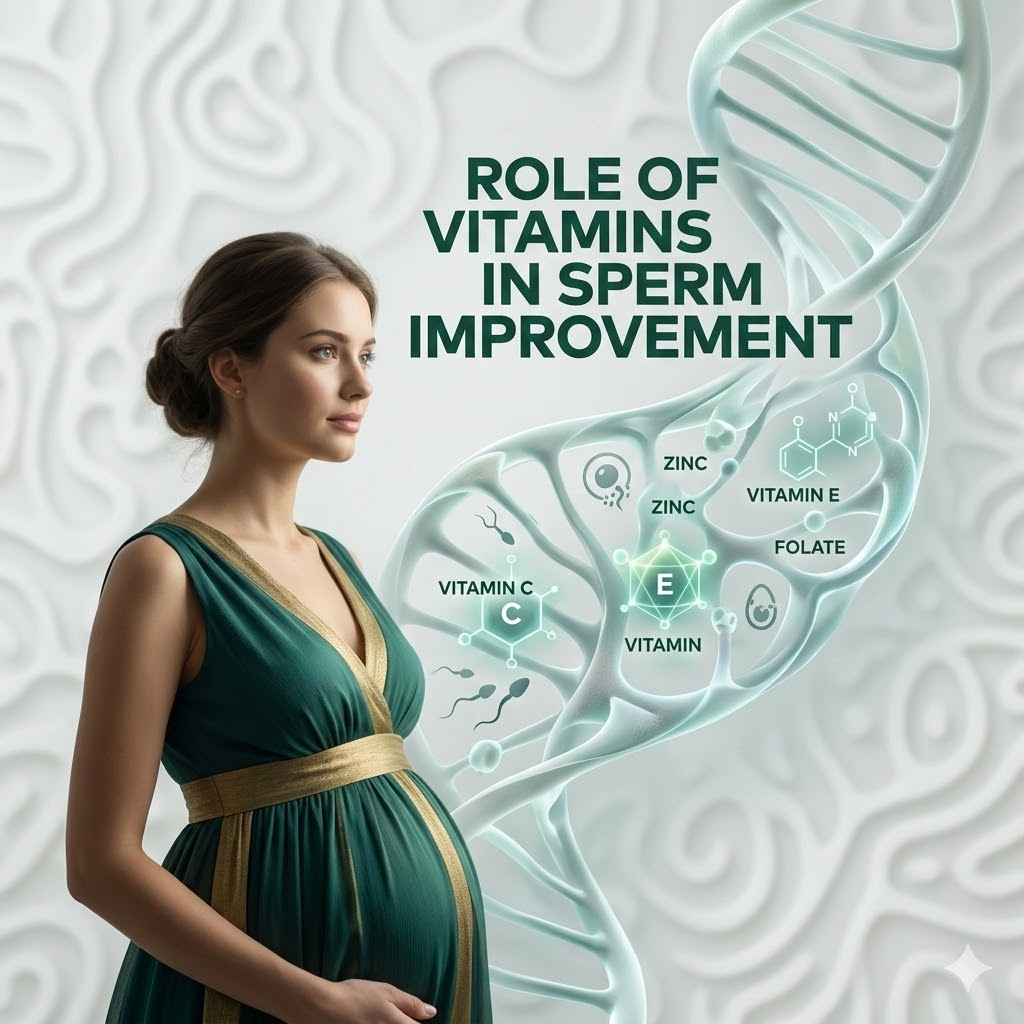
Male fertility is a crucial part of successful conception, yet many men are unaware of how nutrition directly impacts sperm health. Sperm count, motility (movement), morphology (shape), and DNA integrity are all influenced by dietary habits and micronutrient intake. Vitamins play a powerful role in protecting sperm cells from damage and supporting healthy production. At Genesis IVF Fertility Hospital in Salem, we emphasize nutritional guidance as part of comprehensive male fertility care.
Why Vitamins Matter for Sperm Health
Sperm cells are highly sensitive to oxidative stress, which occurs when harmful free radicals damage cell structures. Oxidative stress can reduce sperm quality and affect fertilization potential. Certain vitamins act as antioxidants, helping neutralize these free radicals and protect sperm DNA. Balanced vitamin intake supports hormone production, testicular function, and overall reproductive wellness.
Key Vitamins That Improve Sperm Quality
1. Vitamin C
Vitamin C is a strong antioxidant that protects sperm from oxidative damage. It may improve sperm count and motility by reducing DNA fragmentation. Men with low vitamin C levels are more likely to experience reduced sperm quality. Including citrus fruits, berries, and green vegetables in the diet can help maintain healthy levels.
2. Vitamin E
Vitamin E works alongside vitamin C to strengthen cell membranes and improve sperm motility. It supports the stability of sperm cells, enhancing their ability to reach and fertilize the egg. Nuts, seeds, and vegetable oils are natural sources of this essential nutrient.
3. Vitamin D
Vitamin D plays a significant role in testosterone production and sperm function. Low vitamin D levels have been linked to decreased sperm motility and hormonal imbalance. Moderate sunlight exposure and vitamin D-rich foods can help maintain adequate levels.
4. Vitamin B12
Vitamin B12 supports red blood cell production and healthy DNA synthesis. It may improve sperm count and overall semen quality. Deficiency in vitamin B12 is sometimes associated with reduced sperm concentration. Dairy products, eggs, and fortified foods are common sources.
5. Folic Acid (Vitamin B9)
Folic acid supports DNA formation and cell division, which are critical for sperm development. When combined with other antioxidants, folic acid may contribute to improved sperm concentration and reduced abnormalities.
The Role of Antioxidants in Fertility
Antioxidants reduce oxidative stress in the testes, protecting developing sperm cells. Since sperm production takes approximately 70–90 days, consistent intake of essential vitamins over time is important for noticeable improvement. Lifestyle factors such as smoking, pollution exposure, and poor diet can increase oxidative stress, making antioxidant support even more crucial.
Can Supplements Help?
In some cases, fertility specialists may recommend vitamin supplements to correct deficiencies. However, supplementation should be guided by medical evaluation. Excessive intake of certain vitamins may not provide additional benefits and could cause imbalances. A balanced diet combined with professional guidance ensures safe and effective improvement.
At Genesis IVF Fertility Hospital in Salem, we conduct detailed semen analysis and hormonal assessments to determine specific nutritional or medical concerns affecting sperm quality.
Supporting Vitamin Intake with Healthy Habits
Vitamins work best when combined with healthy lifestyle practices, including:
- Maintaining a balanced weight
- Regular moderate exercise
- Avoiding smoking and excessive alcohol
- Managing stress effectively
- Getting adequate sleep
These habits create an optimal environment for sperm production and hormone balance.
When to Seek Medical Advice
If you and your partner have been trying to conceive for a year without success (or six months if the female partner is over 35), a fertility evaluation is recommended. Male factors contribute significantly to infertility cases, and early diagnosis improves treatment outcomes.
Conclusion
Vitamins play a vital role in improving sperm quality by protecting against oxidative damage, supporting hormone production, and enhancing overall reproductive function. Nutrients such as vitamin C, vitamin E, vitamin D, vitamin B12, and folic acid are essential for healthy sperm development. At Genesis IVF Fertility Hospital Salem, our fertility experts combine advanced diagnostics with nutritional counseling and personalized treatment plans to help men improve sperm health naturally and increase their chances of successful conception.