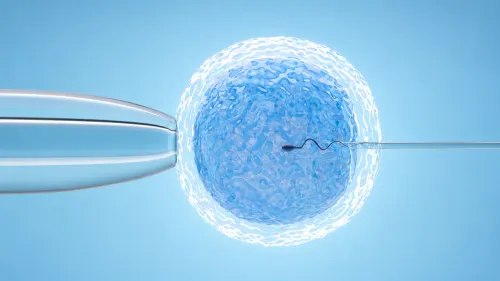


Many couples today face a situation where all reports look normal, cycles are regular, scans appear fine, and semen analysis seems acceptable, yet pregnancy doesn’t happen. This creates confusion, stress, and emotional pressure.
At Genesis IVF, we help thousands of couples who appear “normal” on the surface but still struggle to conceive due to hidden fertility issues that require expert evaluation, advanced testing, and personalized treatment. This guide explains the real reason for not getting pregnant when everything is normal and what you can do next.
1. Missing the Fertile Window
Ovulation can shift each month due to stress, travel, illness, or hormonal fluctuations, causing many couples to miss their actual fertile days. Apps only estimate fertile dates and cannot confirm real ovulation, leading to situations like “egg rupture but not conceived.” Without tracking LH surges or cervical mucus, timing intercourse becomes inaccurate even when periods appear regular.
What to Do
- Use Ovulation Predictor Kits (OPKs) from Day 10.
- Track cervical mucus changes daily.
- Have intercourse every alternate day between Day 10–18.
- Do follicular monitoring at Genesis IVF.
- Monitor basal body temperature consistently.
2. Regular Periods Don’t Guarantee Ovulation
Many women assume regular cycles mean regular ovulation, but PCOS, thyroid issues, insulin resistance, and prolactin imbalance can silently prevent egg release. Even a 28-day cycle may contain an anovulatory month, reducing pregnancy chances. Follicular tracking often reveals irregular ovulation even when everything seems normal.
What to Do
- Test AMH, FSH, LH, TSH, and Prolactin.
- Do a complete follicular scan cycle.
- Start ovulation induction if needed.
- Treat thyroid/prolactin imbalance.
- Follow a hormone-balancing diet from Genesis IVF.
3. Low Ovarian Reserve or Poor Egg Quality
Egg quality and AMH levels decline naturally after age 30 and faster after 35, even if periods look normal. Poor egg quality affects fertilization and embryo development, leading to difficulty conceiving. Genetics, stress, PCOS, and lifestyle factors silently impact ovarian reserve without obvious symptoms.
What to Do
- Check AMH, AFC scan, and Day-2 FSH.
- Start doctor-recommended antioxidants.
- Maintain BMI 19–24 and sleep 7–8 hours.
- Reduce stress and late nights.
- Consider IVF early if AMH is low.
4. Hidden Male Factor Infertility
Nearly 40–50% of infertility cases are due to male factor issues like low sperm count, motility problems, poor morphology, or DNA fragmentation. Men may seem healthy yet have sperm abnormalities caused by stress, heat exposure, smoking, or lifestyle. A “normal-looking” semen report may still miss deeper sperm issues.
What to Do
- Do a semen analysis at Genesis IVF.
- Check for Sperm DNA Fragmentation.
- Avoid heat, smoking, and alcohol.
- Start male fertility supplements.
- Treat varicocele or infections early.
5. Thyroid, Prolactin & Hormonal Imbalances
Borderline thyroid levels, high prolactin, insulin resistance, and cortisol fluctuations can affect ovulation, egg quality, sperm health, and implantation. These hormonal changes can occur even when periods seem regular. Correcting these imbalances often significantly improves natural conception chances.
What to Do
- Maintain TSH between 1-2.5.
- Treat high prolactin with medication.
- Follow a low-glycemic fertility diet.
- Recheck hormones every 3 months.
- Manage insulin resistance with exercise.
6. Blocked or Partially Blocked Fallopian Tubes
Fallopian tubes can be blocked due to infections, past surgeries, endometriosis, C-section, or miscarriage history, often without symptoms. Even with regular periods, blocked tubes prevent sperm and egg from meeting. Many women discover tubal blocks only during fertility testing.
What to Do
- Do HSG or SSG to check tube patency.
- Treat infections immediately.
- Consider laparoscopy for suspected block.
- Don’t delay treatment after age 30.
- Choose IVF if tubes are severely blocked.
7. Unexplained Infertility
Sometimes all tests appear normal, yet pregnancy doesn’t happen—this is known as unexplained infertility. Causes may include egg-sperm interaction issues, early embryo failure, endometrial receptivity problems, or subtle hormonal shifts. Advanced fertility testing at Genesis IVF uncovers these hidden factors.
What to Do
- Do ERA, DFI, and advanced fertility tests.
- Try 2-3 IUI cycles based on age.
- Reduce stress and improve lifestyle.
- Follow a personalized fertility plan.
- Consider IVF if trying >2 years.
8. Lifestyle Factors Reducing Fertility
Sleep disturbances, high stress, long working hours, obesity, caffeine, alcohol, and smoking silently affect fertility even when medical reports look normal. These factors disrupt hormones and impact ovulation, sperm quality, and implantation. Healthy habits significantly improve conception chances.
What to Do
- Maintain BMI 19–24.
- Sleep 7–8 hours daily.
- Reduce caffeine to <200 mg/day.
- Avoid smoking and alcohol.
- Exercise moderately for 30 minutes/day.
- Fertility Treatment Options at Genesis IVF
Genesis IVF offers advanced treatments, including ovulation induction, follicular monitoring, IUI, IVF, ICSI, donor programs, laparoscopy, male infertility treatment, and hormonal correction. Treatment plans are customized based on individual reports and fertility goals.
Conclusion
If everything appears normal but pregnancy isn’t happening, hidden fertility factors may be the cause. With expert evaluation, advanced diagnostics, and a personalized approach at Genesis IVF, most couples achieve a healthy pregnancy. Your journey to parenthood can begin today.