


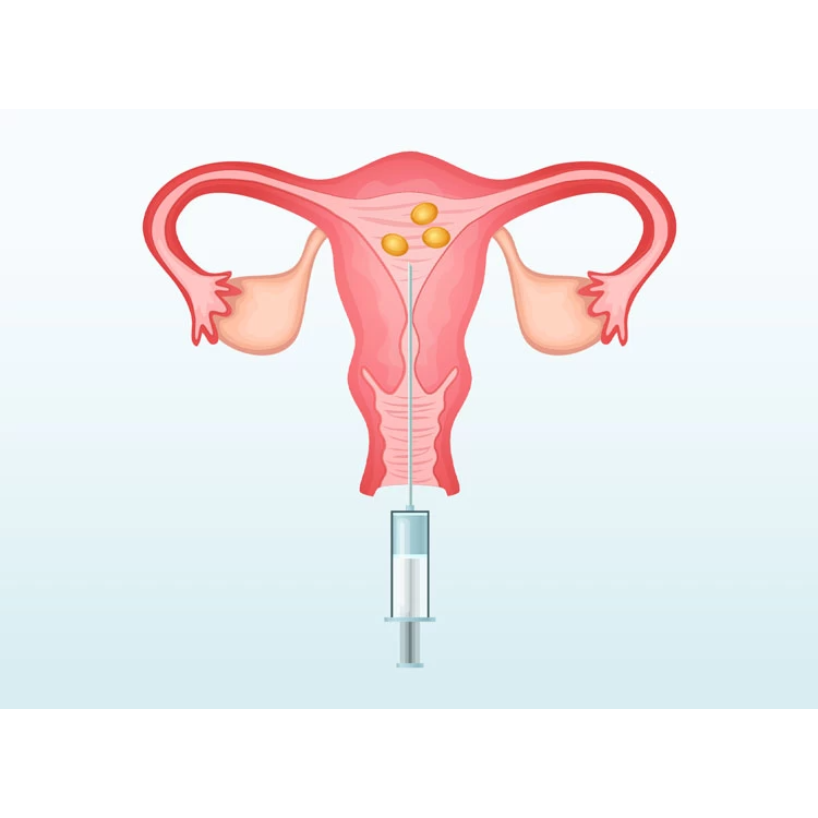
Embryo Transfer
Purpose of Embryo Transfer
The primary goal of embryo transfer in IVF is to:
1. Achieve Pregnancy:
To place embryos into the uterus where they can implant and grow, leading to a successful pregnancy.
2.OptimizeImplantation Potential:
By selecting the best quality embryos and the ideal timing, the transfer is aimed at maximizing the chances of implantation.
3. Provide Flexible Options:
Depending on individual circumstances, various types of embryo transfer (fresh, frozen, single, or multiple) can be used to tailor the treatment.
Steps Involved in the Embryo Transfer Process
Step 1: Embryo Development and Selection
Fertilization and Culture: After egg retrieval, the eggs are fertilized with sperm in the laboratory. This can be done using traditional IVF or ICSI (Intracytoplasmic Sperm Injection).
Embryo Culture: Fertilized eggs are cultured in specialized incubators for a few days, usually 3 to 5 days, until they reach the cleavage stage (day 3) or the blastocyst stage (day 5).
Embryo Assessment: Embryologists assess the embryos based on morphology and development to determine quality. Factors considered include the number of cells, symmetry, and the presence of fragmentation.
Embryo Selection: The highest quality embryos are selected for transfer, increasing the likelihood of successful implantation and pregnancy.
Step 2: Preparation for Transfer
Timing of Transfer: The timing of the embryo transfer is crucial and depends on the stage of embryo development and the patient’s specific protocol. Transfers typically occur on day 3 or day 5 after fertilization.
Endometrial Preparation: The uterine lining (endometrium) is prepared to be receptive to the embryo. This is achieved through hormonal support using medications such as progesterone, which thickens the lining and enhances implantation potential.
Patient Preparation: Patients may receive specific instructions, such as hydration, bladder filling (to improve ultrasound imaging), and avoiding certain medications or activities before the transfer.
Step 3: The Embryo Transfer Procedure
Procedure Setting: Embryo transfer is performed in a clinical setting, often without anesthesia, as it is usually painless. The procedure takes about 10-15 minutes.
Ultrasound Guidance: Ultrasound is typically used to visualize the uterus and guide the placement of embryos, ensuring accurate placement.
Catheter Placement: A thin, flexible catheter containing the selected embryos is gently inserted through the cervix into the uterine cavity. The embryos are then carefully expelled into the uterus.
Post-Transfer Rest: After the transfer, patients may be advised to rest briefly in the clinic to ensure comfort and monitor any immediate reactions.