

An Anti-Müllerian Hormone (AMH) test is a blood test that measures the amount of AMH in your body. In women, AMH is produced by the granulosa cells in the ovarian follicles. The level of AMH indicates your ovarian reserve, which is the remaining quantity of eggs. A low AMH level suggests a diminished ovarian reserve, meaning a lower number of eggs are available. This can make natural conception more challenging, as it may also be associated with a decline in egg quality.
However, many women with low AMH have had successful pregnancies through IVF. The success of IVF with low AMH depends on several factors, including:
Your age (younger women with low AMH generally have better outcomes than older women)
The quality of the eggs that are retrieved
The specific treatment protocol and expertise of the clinic
IVF Options at Genesis IVF Salem
Genesis IVF in Salem offers a range of services for patients with low AMH. The clinic provides comprehensive care with a focus on personalized treatment plans.
Egg Donation: For women with very low ovarian reserve or those who have had unsuccessful cycles with their own eggs, egg donation is a highly successful alternative. The clinic provides access to screened and legally approved donor eggs.
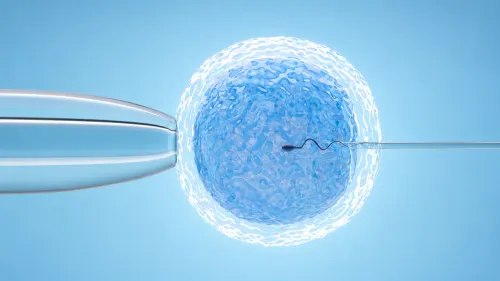
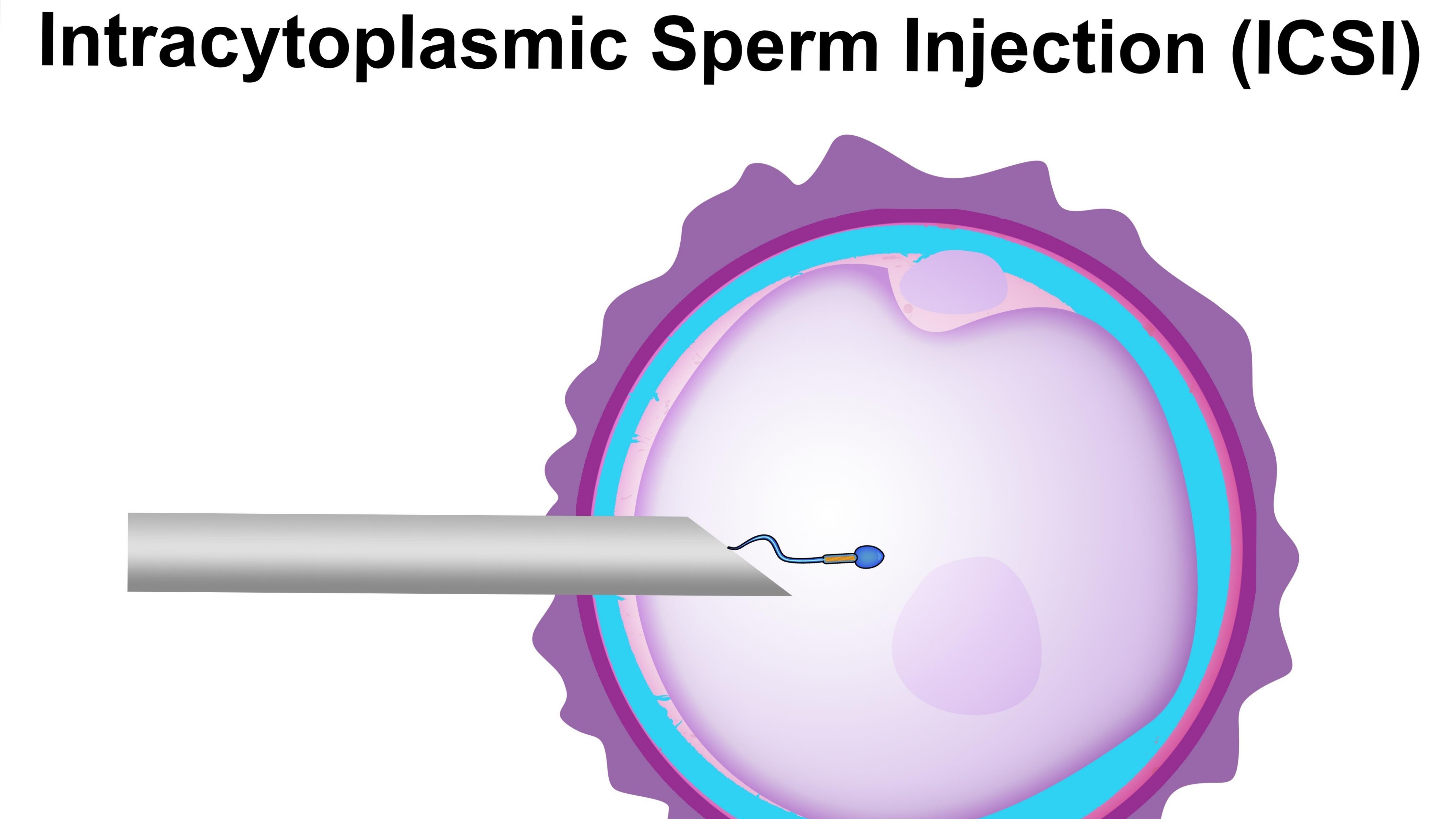
Intracytoplasmic Sperm Injection (ICSI): This procedure is often used in conjunction with IVF. It involves injecting a single, healthy sperm directly into an egg to increase the chances of fertilization. This can be particularly beneficial if there are also male fertility factors.
Blastocyst Transfer: Instead of transferring embryos on day 3, the clinic may culture them to day 5 (the blastocyst stage). This allows for the selection of the most viable and robust embryos for transfer, which can improve the success rate.
Preimplantation Genetic Screening (PGS): This advanced technique can be used to screen embryos for chromosomal abnormalities before transfer. This is especially helpful for older women or those with low AMH, as it can reduce the risk of miscarriage and increase the likelihood of a successful pregnancy.
Risks and Costs of IVF with Low AMH
While generally safe, IVF, like any medical procedure, carries some risks. For patients with low AMH, the primary risks are a poor response to ovarian stimulation and a lower success rate per cycle.
Low AMH and IVF 🥚
While low AMH indicates a smaller egg supply, it doesn't mean you can't get pregnant. In-vitro fertilization (IVF) is often recommended as a viable option. The main challenge with low AMH in IVF is that it may lead to a poor response to the hormonal stimulation used to produce multiple eggs for retrieval. This can result in fewer eggs collected, which in turn can lower the chances of a successful cycle.However, many women with low AMH have had successful pregnancies through IVF. The success of IVF with low AMH depends on several factors, including:
Your age (younger women with low AMH generally have better outcomes than older women)
The quality of the eggs that are retrieved
The specific treatment protocol and expertise of the clinic
IVF Options at Genesis IVF Salem
Genesis IVF in Salem offers a range of services for patients with low AMH. The clinic provides comprehensive care with a focus on personalized treatment plans.
Customized Ovarian Stimulation Protocols:
Since low AMH patients often respond poorly to standard protocols, Genesis IVF may use tailored stimulation plans, such as higher doses of hormones or different medication combinations, to encourage the ovaries to produce as many eggs as possible.Egg Donation: For women with very low ovarian reserve or those who have had unsuccessful cycles with their own eggs, egg donation is a highly successful alternative. The clinic provides access to screened and legally approved donor eggs.
Intracytoplasmic Sperm Injection (ICSI): This procedure is often used in conjunction with IVF. It involves injecting a single, healthy sperm directly into an egg to increase the chances of fertilization. This can be particularly beneficial if there are also male fertility factors.
Blastocyst Transfer: Instead of transferring embryos on day 3, the clinic may culture them to day 5 (the blastocyst stage). This allows for the selection of the most viable and robust embryos for transfer, which can improve the success rate.
Preimplantation Genetic Screening (PGS): This advanced technique can be used to screen embryos for chromosomal abnormalities before transfer. This is especially helpful for older women or those with low AMH, as it can reduce the risk of miscarriage and increase the likelihood of a successful pregnancy.
Risks and Costs of IVF with Low AMH
While generally safe, IVF, like any medical procedure, carries some risks. For patients with low AMH, the primary risks are a poor response to ovarian stimulation and a lower success rate per cycle.