


Blastocyst in IVF Formation, Advantages, Culturing, and Challenges
In modern IVF treatments, the term blastocyst has become a game-changer for many hopeful parents. A blastocyst is an advanced-stage embryo that offers higher implantation potential and better chances of pregnancy. At Genesis IVF Fertility Hospital in Coimbatore, we specialize in extended embryo culture to the blastocyst stage to improve IVF outcomes and provide patients with the best possible chance of success.
What Is a Blastocyst?
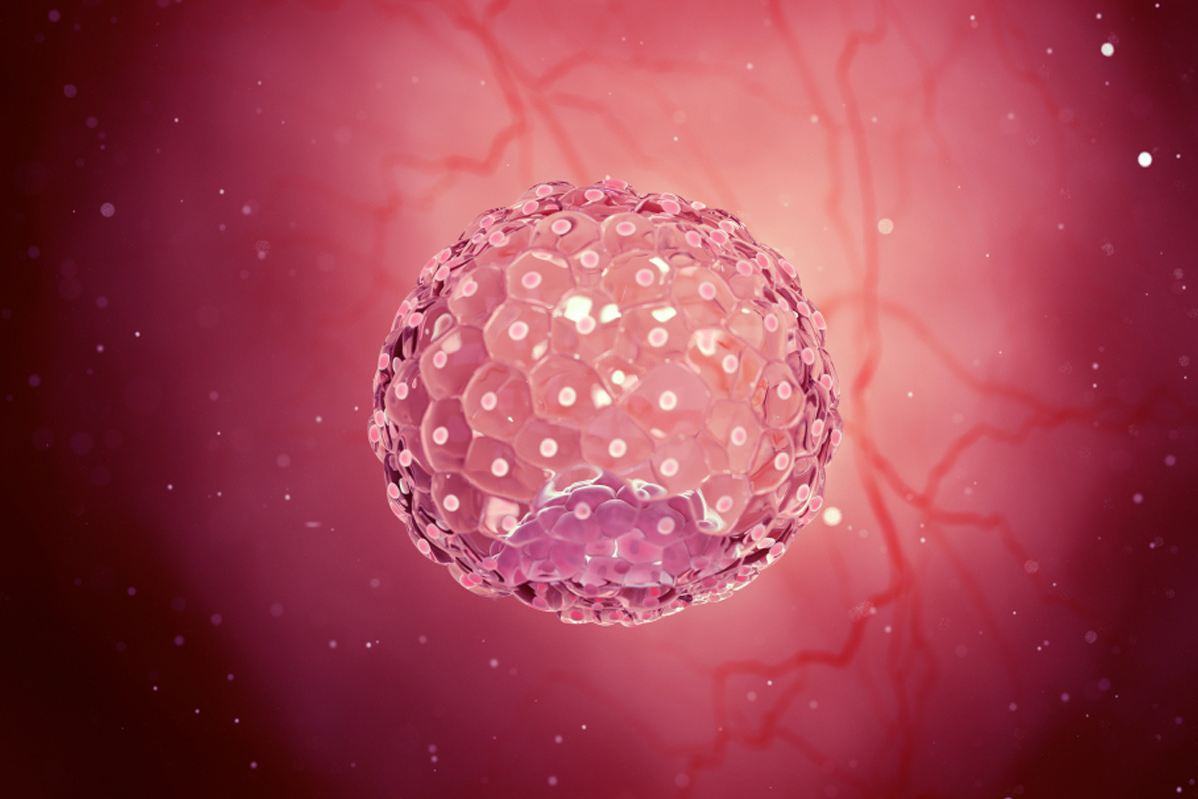
A blastocyst is an embryo that has developed for five to six days after fertilization. It consists of two distinct cell types:
- Inner Cell Mass (ICM) – which will form the baby
- Trophectoderm – which develops into the placenta
The fluid-filled cavity in the blastocyst gives it a unique structure, indicating a higher degree of embryo maturity and health.
Advantages of Blastocyst Transfer
- Higher implantation rates: Transferring embryos at the blastocyst stage increases the chances of successful implantation.
- Better embryo selection: Culturing embryos for 5 days allows the embryologist to identify the strongest and healthiest ones.
- Reduced risk of multiple pregnancies: Fewer embryos are needed for transfer, reducing the risk of twins or triplets.
- Synchrony with the uterus: The uterine lining is more receptive to a day-5 embryo, improving implantation chances.
Culturing to Blastocyst Stage
Not all embryos make it to the blastocyst stage, which is why culturing requires advanced lab support. At Genesis IVF, our state-of-the-art embryology lab offers precise temperature, humidity, and oxygen control to help embryos reach this critical stage. Close monitoring helps select the best embryos for transfer or freezing.
Challenges of Blastocyst Culture
- Not all embryos survive: Some may stop developing before day 5, reducing the number available for transfer.
- Requires advanced lab technology: High-quality equipment and skilled embryologists are essential for successful blastocyst culture.
- May not be suitable for all patients: Patients with fewer eggs or poor embryo development may benefit more from earlier-stage transfer.
Conclusion
Blastocyst culture and transfer have revolutionized IVF success, offering improved pregnancy outcomes and more precise embryo selection. However, it requires advanced technology, expert care, and a personalized approach. At Genesis IVF Fertility Hospital in Coimbatore, we provide high-end blastocyst culture under optimal lab conditions, ensuring that each step of your IVF journey is designed for the best possible outcome. Trust us to help turn your dream of parenthood into a beautiful reality—one healthy embryo at a time.