
Nutrition plays a powerful role in fertility and can significantly influence the success of IVF treatment. While medical care forms the foundation of assisted reproduction, the right diet supports hormonal balance, egg and sperm quality, and overall reproductive health. At Genesis IVF Fertility Hospital in Salem, specialists emphasize personalized nutrition as a key part of IVF preparation.
Why Diet Matters During IVF
IVF places extra demands on the body. Hormonal medications, egg development, and embryo implantation all depend on the body’s internal environment. A balanced diet helps reduce inflammation, improves blood flow to reproductive organs, and supports healthy cell development—factors that directly affect IVF outcomes.
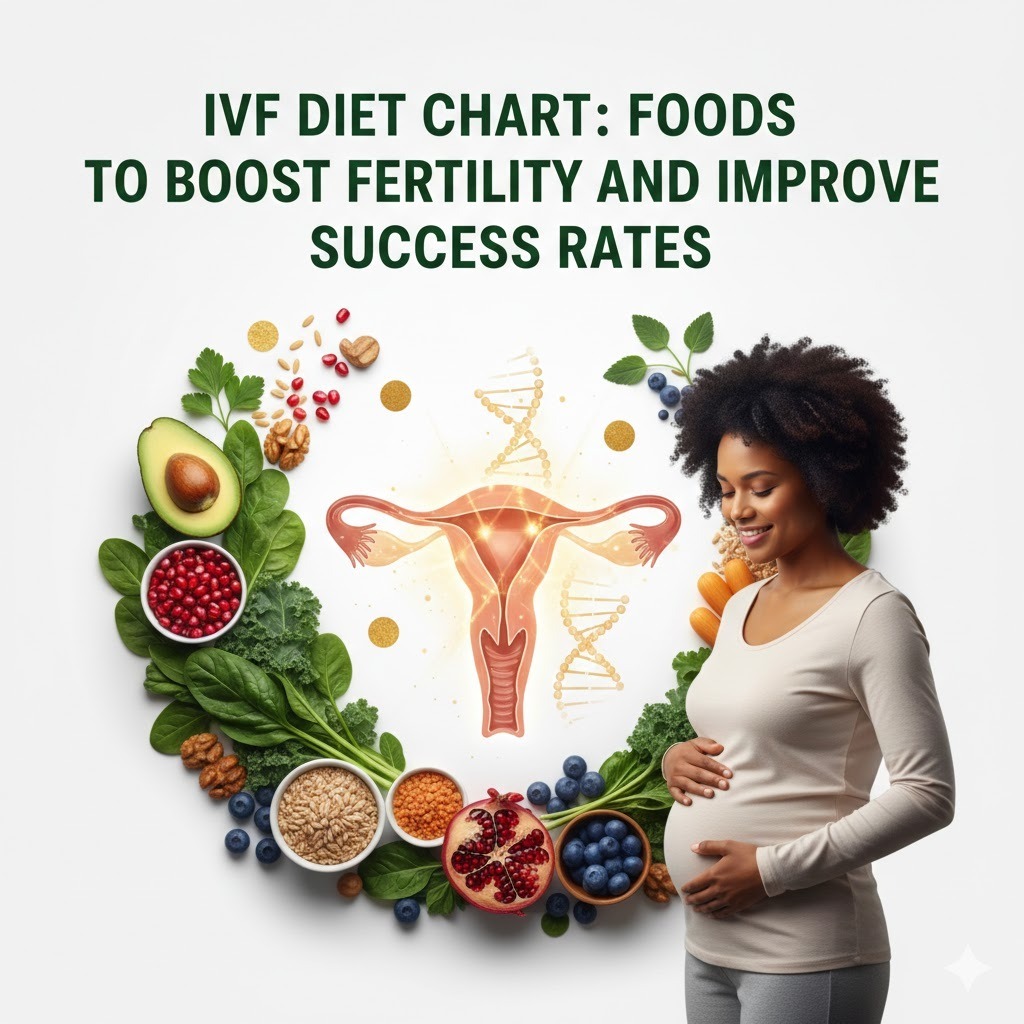
Fertility-Boosting Foods to Include
A well-planned IVF diet focuses on natural, nutrient-dense foods:
- Whole grains such as brown rice, millets, oats, and quinoa help maintain steady blood sugar levels, which is important for hormonal stability.
- Lean proteins like eggs, fish, tofu, lentils, and beans support egg and sperm formation.
- Healthy fats from nuts, seeds, olive oil, and avocados aid hormone production and improve egg quality.
- Fresh fruits and vegetables, especially leafy greens, berries, citrus fruits, and carrots, provide antioxidants that protect reproductive cells from damage.
- Dairy or fortified alternatives supply calcium and vitamin D, which support embryo implantation and uterine health.
Foods to Limit or Avoid
Certain foods may negatively impact fertility if consumed in excess. Highly processed foods, refined sugars, and trans fats can increase inflammation. Excess caffeine and alcohol may interfere with hormone levels and implantation, so moderation or avoidance is recommended during IVF cycles.
Hydration and Micronutrients
Adequate water intake supports circulation and nutrient transport. Essential micronutrients such as folic acid, iron, zinc, and omega-3 fatty acids are particularly important during IVF. These nutrients help reduce the risk of complications and promote healthy embryo development. Supplements should only be taken under medical guidance.
A Personalized Approach to IVF Nutrition
There is no universal diet for every patient. At Genesis IVF Fertility Hospital, Salem, fertility specialists and nutrition experts tailor diet plans based on individual health, weight, and treatment protocols to maximize success.
Conclusion
An IVF-friendly diet is not about strict rules but about nourishing the body for optimal fertility. By choosing wholesome foods and avoiding harmful dietary habits, couples can actively support their IVF journey. With expert medical care and nutritional guidance from Genesis IVF Fertility Hospital in Salem, patients can take confident steps toward improving IVF success rates.