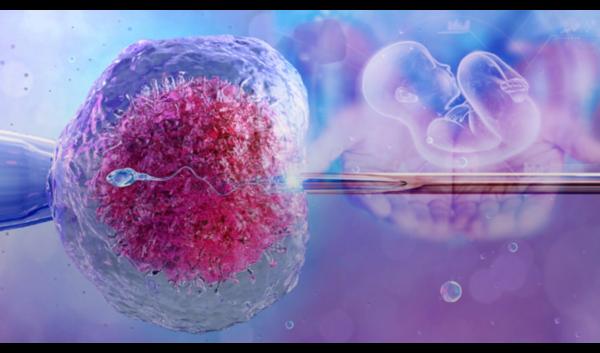



One of the most common questions couples ask during IVF treatment is, “How many embryos should be transferred?” While it may seem like transferring more embryos increases the chance of pregnancy, the real answer depends on medical safety, embryo quality, and the woman’s reproductive health.
Why the Number of Embryos Matters
The primary goal of IVF is to achieve a safe and healthy pregnancy. When too many embryos are transferred, the chances of multiple pregnancies (twins or triplets) rise significantly. Although many couples feel happy about the idea of twins, multiple pregnancies can increase the risk of complications such as:
- Premature delivery
- Low birth weight
- High blood pressure during pregnancy
- Gestational diabetes
- Increased need for C-section
Therefore, fertility experts carefully decide the number of embryos to support both success and safety.
How Doctors Determine the Ideal Number of Embryos
The number of embryos recommended varies from person to person. Doctors consider:
- Age of the woman
- Quality and genetic health of embryos
- Previous IVF history
- Uterine and overall health
- Fresh or frozen embryo transfer
In many cases, transferring one high-quality embryo gives an excellent chance of pregnancy, especially for women under 35. With advanced technology like blastocyst culture and PGT-A testing, selecting a single strong embryo is now easier and more accurate.
Conclusion
There is no “one-size-fits-all” answer to how many embryos should be transferred. The goal is not just to achieve pregnancy, but to ensure a healthy mother and baby. At Genesis IVF Fertility Hospital in Salem, our specialists evaluate every couple individually and recommend the safest and most successful embryo transfer strategy.
If you have questions about your IVF journey, we are here to support you with care, technology, and trust.