

Many couples planning pregnancy worry about how previous birth control use might affect fertility. Misinformation often creates unnecessary fear, especially when conception does not happen immediately after stopping contraception. Understanding the science behind birth control and fertility can help couples make confident decisions. At Genesis IVF Fertility Hospital, Salem, we guide patients with evidence-based fertility counseling and personalized treatment plans.
Understanding How Birth Control Works
Birth control methods prevent pregnancy by stopping ovulation, thickening cervical mucus, or preventing sperm from reaching the egg. Common contraceptive options include oral pills, intrauterine devices (IUDs), injections, patches, and implants. These methods temporarily alter hormonal signals but do not permanently damage reproductive organs.
Once birth control is discontinued, the body gradually resumes its natural hormonal cycle.
Myth vs. Fact: Clearing Common Doubts
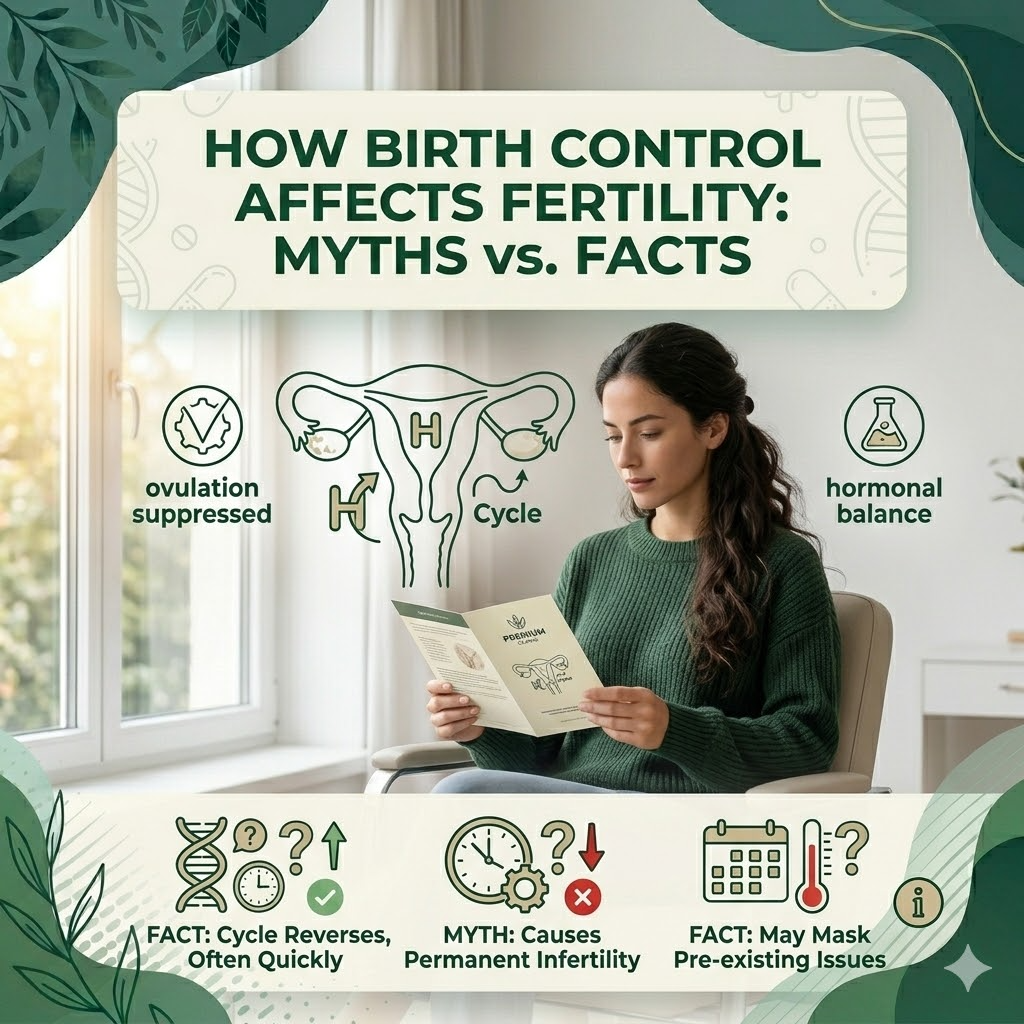
Myth 1: Birth Control Causes Permanent Infertility
Fact: Hormonal contraceptives do not cause permanent infertility. Most women regain normal ovulation within weeks or months after stopping. Delayed pregnancy is often due to underlying conditions that were previously unnoticed, such as irregular ovulation or PCOS.
Myth 2: You Must “Detox” After Stopping Birth Control
Fact: The body does not require a special detox process. Hormones from contraceptives naturally leave the system over time. Maintaining a healthy lifestyle is enough to support cycle regularity.
Myth 3: Long-Term Use Damages Egg Quality
Fact: Birth control does not reduce egg quality. Women are born with a fixed number of eggs, and contraceptives do not destroy them. Age remains the primary factor influencing egg health.
Myth 4: It Takes Years to Conceive After Using Contraceptives
Fact: Many women conceive within a few months after discontinuing birth control. For some, cycles may take time to regulate, especially after injectable contraceptives, but fertility typically returns.
How Different Methods Affect Fertility Timeline
Oral Contraceptive Pills: Ovulation usually resumes within one to three months.
IUD (Hormonal or Copper): Fertility often returns quickly after removal.
Injectable Contraceptives: May delay ovulation for several months, but the effect is temporary.
Implants or Patches: Normal cycles typically resume soon after discontinuation.
If menstruation does not return within three months, medical evaluation is recommended.
When Birth Control Reveals Underlying Issues
Some women experience irregular cycles before starting contraception. Birth control can mask these irregularities by creating artificial cycle control. After stopping, previous hormonal imbalances may reappear. In such cases, fertility challenges are linked to pre-existing conditions rather than contraceptive use.
At Genesis IVF Fertility Hospital, Salem, we perform detailed hormonal assessments and ovulation tracking to identify any underlying concerns early.
Planning Pregnancy After Birth Control
If you are planning to conceive:
- Stop contraception a few months before actively trying.
- Begin prenatal vitamins with folic acid.
- Maintain a healthy weight and balanced diet.
- Track ovulation cycles for better timing.
- Consult a fertility specialist if pregnancy does not occur within the recommended timeframe.
Early guidance improves confidence and reduces unnecessary anxiety.
When to Seek Fertility Advice
You should consult a fertility expert if:
- You are under 35 and trying for one year without success.
- You are over 35 and trying for six months.
- Periods remain irregular after stopping birth control.
- You have a history of hormonal disorders or reproductive conditions.
Professional evaluation ensures accurate diagnosis and effective treatment.
Conclusion
Birth control does not cause permanent infertility. In most cases, fertility returns naturally after discontinuation. Myths surrounding contraceptives often create confusion, but scientific evidence confirms that age, overall health, and underlying conditions play a larger role in conception success. At Genesis IVF Fertility Hospital, Salem, we provide comprehensive fertility evaluations, advanced reproductive treatments, and compassionate support to help couples transition confidently from contraception to successful parenthood.