

When trying to conceive, understanding your ovulation cycle is essential. One of the key tools in fertility treatment is follicular monitoring, a process that allows doctors to track the growth and development of ovarian follicles. At Genesis IVF Fertility Hospital in Salem, follicular monitoring plays a crucial role in improving the chances of conception, whether naturally or through assisted reproductive technologies like IVF.
What is Follicular Monitoring?
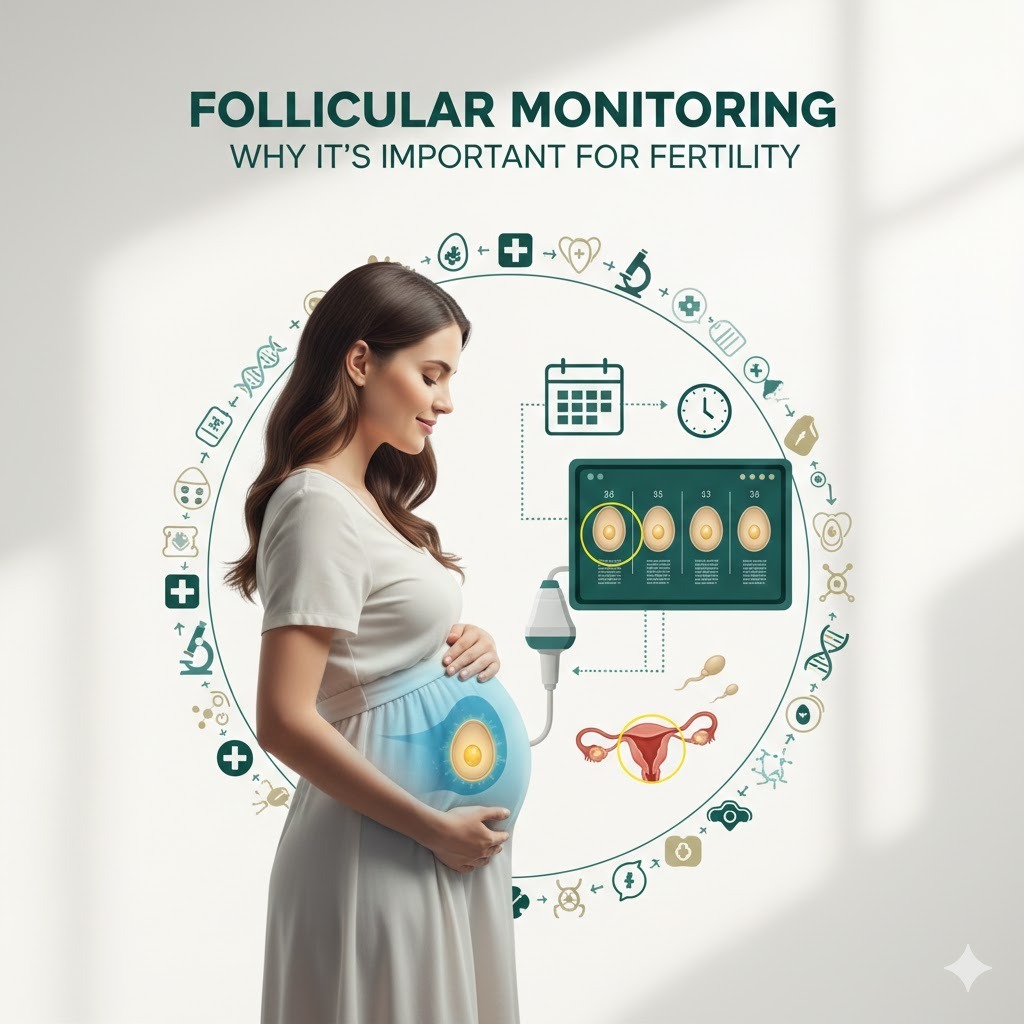
Follicular monitoring involves regularly assessing the ovaries using ultrasound scans and, sometimes, blood tests to measure hormone levels. Follicles are small sacs in the ovaries that contain eggs, and tracking their development helps determine the best time for ovulation or egg retrieval in fertility treatments.
Why It Matters for Fertility
- Accurate Ovulation Timing: Many couples struggle to conceive due to irregular ovulation. Follicular monitoring helps identify the precise window when an egg is ready for fertilization.
- Optimizing Fertility Treatments: For IVF or IUI (intrauterine insemination), knowing the exact follicle size and number ensures the timing of egg retrieval or insemination is ideal.
- Detecting Ovarian Health Issues: Regular monitoring can reveal conditions like polycystic ovary syndrome (PCOS) or diminished ovarian reserve, allowing for early intervention.
- Personalized Treatment: Follicular tracking allows fertility specialists to adjust medications and protocols based on individual response, enhancing success rates.
How Follicular Monitoring Works
The process usually begins early in the menstrual cycle. The steps include:
- Ultrasound Scans: High-resolution imaging shows the number and size of developing follicles.
- Hormone Assessments: Blood tests check levels of estrogen and other hormones to confirm follicle maturity.
- Ovulation Timing: Once a follicle reaches the optimal size, ovulation can be triggered naturally or with medications, depending on the fertility plan.
Benefits of Follicular Monitoring
- Increases the likelihood of conception by identifying the best time for fertilization
- Reduces the chances of multiple pregnancies in assisted treatments
- Helps in early diagnosis of reproductive issues
- Allows fertility specialists to tailor treatments specifically for each patient
Conclusion
Follicular monitoring is a cornerstone of modern fertility care. At Genesis IVF Fertility Hospital, Salem, this technique ensures that couples receive precise, personalized guidance throughout their fertility journey. By closely tracking follicle development, doctors can optimize treatment timing, increase chances of conception, and provide hope to couples striving to build their families.