
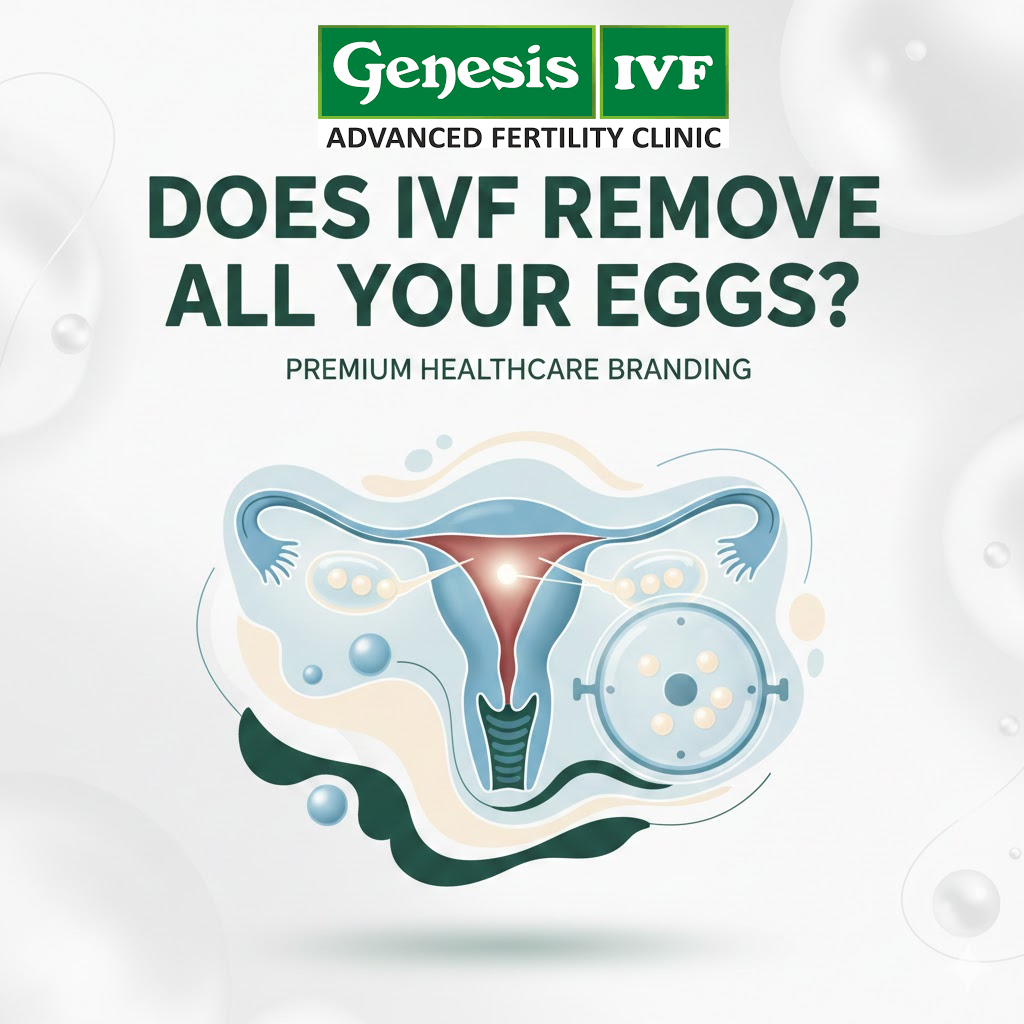
One of the most common concerns women have before starting IVF treatment is the fear that the procedure might use up all their eggs and reduce future fertility. This misconception often creates unnecessary anxiety and delays treatment. At Genesis IVF Fertility Hospital in Salem, we believe that clear, factual information helps patients make confident decisions. The simple answer is no IVF does not remove all your eggs.
Understanding How Egg Development Works Naturally
A woman is born with a fixed number of eggs, known as her ovarian reserve. Every month, the body naturally recruits a group of eggs, but only one typically matures and ovulates. The remaining eggs from that cycle are naturally lost by the body they do not carry over to the next month.
This process happens regardless of whether a woman undergoes IVF or not. IVF does not change the total number of eggs a woman has over her lifetime.
What Happens to Eggs During IVF?
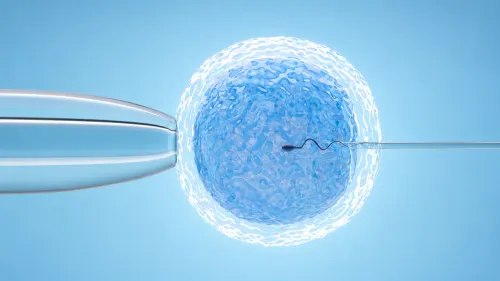
During IVF treatment, fertility medications are used to stimulate the ovaries so that multiple eggs mature in a single cycle instead of just one. Importantly, these medications do not create new eggs or take eggs meant for future months.
IVF simply rescues eggs that would have naturally been lost during that cycle. The eggs retrieved during IVF are the same eggs your body would otherwise discard naturally.
IVF Does Not Deplete Future Fertility
A common myth is that IVF accelerates menopause or permanently reduces egg reserve. Scientifically, this is not true. IVF does not remove eggs from future cycles, nor does it speed up egg loss beyond what would normally happen.
After an IVF cycle, your ovaries continue their natural function. Your menstrual cycle resumes, and egg development continues as it would have without treatment.
At Genesis IVF Fertility Hospital, Salem, fertility specialists carefully monitor ovarian response to ensure stimulation is safe, controlled, and aligned with long-term reproductive health.
Why Are Multiple Eggs Retrieved in IVF?
Retrieving multiple eggs increases the chances of forming healthy embryos. Not every egg will fertilize, and not every embryo will develop normally. Having multiple eggs allows embryologists to select the best-quality embryos for transfer or freezing.
This approach improves IVF success rates without harming ovarian health.
Is Egg Retrieval Painful or Risky?
Egg retrieval is a minimally invasive procedure performed under sedation. Most women experience mild discomfort that resolves quickly. Serious complications are rare when IVF is conducted by experienced specialists using modern protocols.
Clinics like Genesis IVF prioritize patient safety by using individualized stimulation plans to avoid excessive ovarian response.
What About Women With Low Egg Reserve?
Women with low ovarian reserve may worry even more about egg loss. However, IVF remains a valuable option because it maximizes the use of available eggs in a controlled manner. In fact, IVF may offer better chances than natural conception in such cases.
Your fertility specialist will guide you on realistic expectations and personalized treatment strategies.
The Role of Personalized IVF Care
Every woman’s reproductive system is unique. Factors such as age, hormone levels, ovarian reserve, and overall health influence IVF planning. Personalized treatment ensures optimal egg quality, safe stimulation, and better outcomes.
At Genesis IVF Fertility Hospital in Salem, treatment plans are designed to protect fertility while maximizing success.
Final Thoughts
IVF does not remove all your eggs, nor does it harm your future fertility. It works with your natural reproductive process by collecting eggs that would otherwise be lost in that cycle. Understanding this fact can ease fears and help women approach IVF with confidence.
Accurate information, expert guidance, and compassionate care make a significant difference in fertility treatment success. At Genesis IVF Fertility Hospital, Salem, we are committed to supporting patients with ethical, science-based, and patient-centered fertility care every step of the way.