

Lifestyle choices play a significant role in fertility and assisted reproductive treatments. Among these factors, alcohol consumption is often questioned by couples preparing for IVF. Understanding how alcohol affects reproductive health can help patients make informed decisions and improve their chances of success. At Genesis IVF Fertility Hospital, Salem, we emphasize evidence-based guidance and personalized counseling to support healthier IVF outcomes.
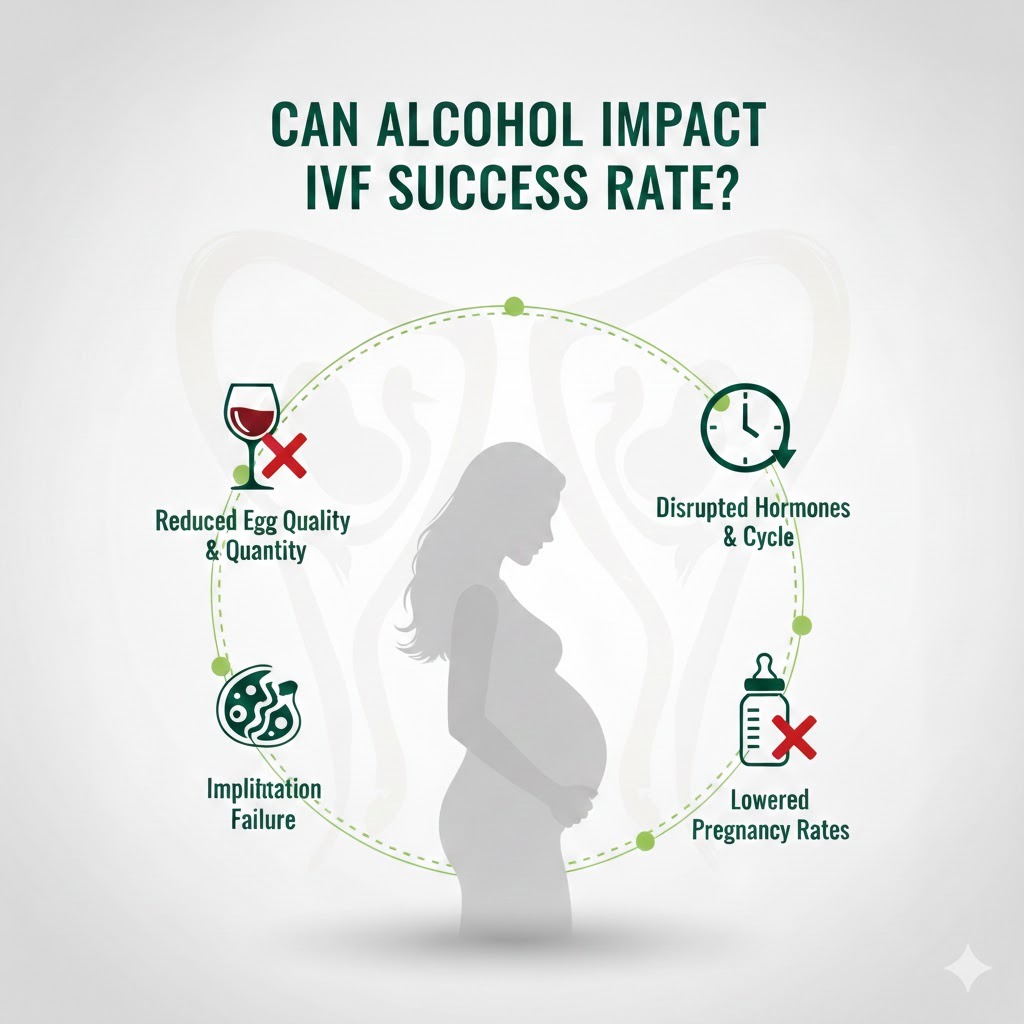
Alcohol consumption can influence hormonal balance, ovulation patterns, and egg quality. Even moderate drinking may disrupt estrogen and progesterone levels, which are essential for follicle development and implantation. In women undergoing IVF, optimal egg quality is critical for embryo formation and successful pregnancy. Excessive alcohol intake may also impact ovarian response to stimulation medications, potentially reducing the number of mature eggs retrieved during treatment.
Another concern is the effect of alcohol on the uterine environment. A healthy uterine lining is essential for embryo implantation, and lifestyle factors that disrupt blood flow or hormonal stability may decrease implantation potential. For women preparing for IVF, minimizing alcohol intake is often recommended to support overall reproductive health.
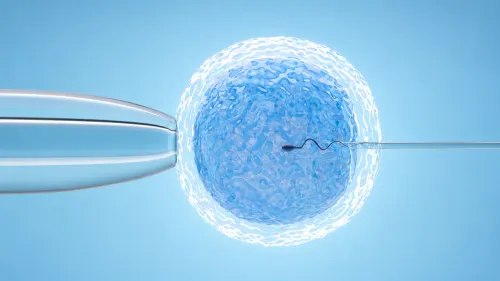
IVF success depends on both partners. Alcohol consumption in men can affect sperm count, motility, and morphology. Regular or heavy drinking may increase oxidative stress and damage sperm DNA, which can reduce fertilization rates and embryo quality. Even in advanced procedures such as ICSI, sperm health remains an important factor influencing IVF outcomes.
Reducing alcohol consumption before IVF can help improve semen parameters and increase the likelihood of producing healthy embryos. Couples are often encouraged to adopt healthier lifestyle habits several months before starting treatment to allow the body adequate time to recover.
The IVF process involves multiple stages, including ovarian stimulation, egg retrieval, fertilization, embryo transfer, and early pregnancy monitoring. Alcohol use during this period may interfere with medication metabolism, hormone levels, and overall treatment response. After embryo transfer, avoiding alcohol is particularly important, as early embryo development is sensitive to environmental and physiological changes.
Most fertility specialists recommend avoiding alcohol entirely during active IVF treatment cycles to maximize success potential and minimize risks.
Undergoing IVF can be emotionally demanding, and some individuals may turn to alcohol for stress relief. However, healthier coping strategies such as counseling, relaxation techniques, exercise, and support groups can be more beneficial. Emotional well-being plays a positive role in maintaining treatment consistency and supporting overall health throughout the IVF journey.
At Genesis IVF Fertility Hospital, patients receive holistic guidance, including emotional support and lifestyle counseling, to help them feel confident and prepared during treatment.
Couples planning IVF are generally advised to reduce or avoid alcohol for at least three months before treatment begins. This timeframe aligns with egg maturation cycles and sperm production, allowing the body to optimize reproductive health. Maintaining a balanced diet, proper sleep routine, and regular physical activity can further enhance IVF success rates.
Clear communication with fertility specialists is essential. Patients should discuss their lifestyle habits openly so doctors can provide personalized recommendations tailored to their medical history and treatment plan.
Alcohol consumption can influence hormonal balance, egg quality, sperm health, and early embryo development all of which are crucial factors in IVF success. While occasional social drinking may seem harmless, minimizing or eliminating alcohol during fertility treatment is a proactive step toward improving outcomes.
At Genesis IVF Fertility Hospital, Salem, we combine advanced reproductive technology with compassionate care and lifestyle guidance to help couples achieve the best possible IVF success rates. Making informed choices, including reducing alcohol intake, can significantly support a healthier and more successful fertility journey.
How Alcohol Affects Female Fertility
Alcohol consumption can influence hormonal balance, ovulation patterns, and egg quality. Even moderate drinking may disrupt estrogen and progesterone levels, which are essential for follicle development and implantation. In women undergoing IVF, optimal egg quality is critical for embryo formation and successful pregnancy. Excessive alcohol intake may also impact ovarian response to stimulation medications, potentially reducing the number of mature eggs retrieved during treatment.
Another concern is the effect of alcohol on the uterine environment. A healthy uterine lining is essential for embryo implantation, and lifestyle factors that disrupt blood flow or hormonal stability may decrease implantation potential. For women preparing for IVF, minimizing alcohol intake is often recommended to support overall reproductive health.
Impact on Male Fertility and Sperm Quality
IVF success depends on both partners. Alcohol consumption in men can affect sperm count, motility, and morphology. Regular or heavy drinking may increase oxidative stress and damage sperm DNA, which can reduce fertilization rates and embryo quality. Even in advanced procedures such as ICSI, sperm health remains an important factor influencing IVF outcomes.
Reducing alcohol consumption before IVF can help improve semen parameters and increase the likelihood of producing healthy embryos. Couples are often encouraged to adopt healthier lifestyle habits several months before starting treatment to allow the body adequate time to recover.
Alcohol During the IVF Cycle
The IVF process involves multiple stages, including ovarian stimulation, egg retrieval, fertilization, embryo transfer, and early pregnancy monitoring. Alcohol use during this period may interfere with medication metabolism, hormone levels, and overall treatment response. After embryo transfer, avoiding alcohol is particularly important, as early embryo development is sensitive to environmental and physiological changes.
Most fertility specialists recommend avoiding alcohol entirely during active IVF treatment cycles to maximize success potential and minimize risks.
Emotional and Lifestyle Considerations
Undergoing IVF can be emotionally demanding, and some individuals may turn to alcohol for stress relief. However, healthier coping strategies such as counseling, relaxation techniques, exercise, and support groups can be more beneficial. Emotional well-being plays a positive role in maintaining treatment consistency and supporting overall health throughout the IVF journey.
At Genesis IVF Fertility Hospital, patients receive holistic guidance, including emotional support and lifestyle counseling, to help them feel confident and prepared during treatment.
Practical Recommendations for Couples
Couples planning IVF are generally advised to reduce or avoid alcohol for at least three months before treatment begins. This timeframe aligns with egg maturation cycles and sperm production, allowing the body to optimize reproductive health. Maintaining a balanced diet, proper sleep routine, and regular physical activity can further enhance IVF success rates.
Clear communication with fertility specialists is essential. Patients should discuss their lifestyle habits openly so doctors can provide personalized recommendations tailored to their medical history and treatment plan.
Final Thoughts
Alcohol consumption can influence hormonal balance, egg quality, sperm health, and early embryo development all of which are crucial factors in IVF success. While occasional social drinking may seem harmless, minimizing or eliminating alcohol during fertility treatment is a proactive step toward improving outcomes.
At Genesis IVF Fertility Hospital, Salem, we combine advanced reproductive technology with compassionate care and lifestyle guidance to help couples achieve the best possible IVF success rates. Making informed choices, including reducing alcohol intake, can significantly support a healthier and more successful fertility journey.