
Seeing blood clots during menstruation can be alarming, especially if it happens suddenly or looks unusual. However, in many cases, menstrual blood clots are completely normal. Understanding why they occur and when they may signal a health concern is essential for protecting your reproductive well-being. At Genesis IVF Fertility Hospital in Salem, we help women understand menstrual health and identify conditions that may impact fertility.
Are Blood Clots During Periods Normal?
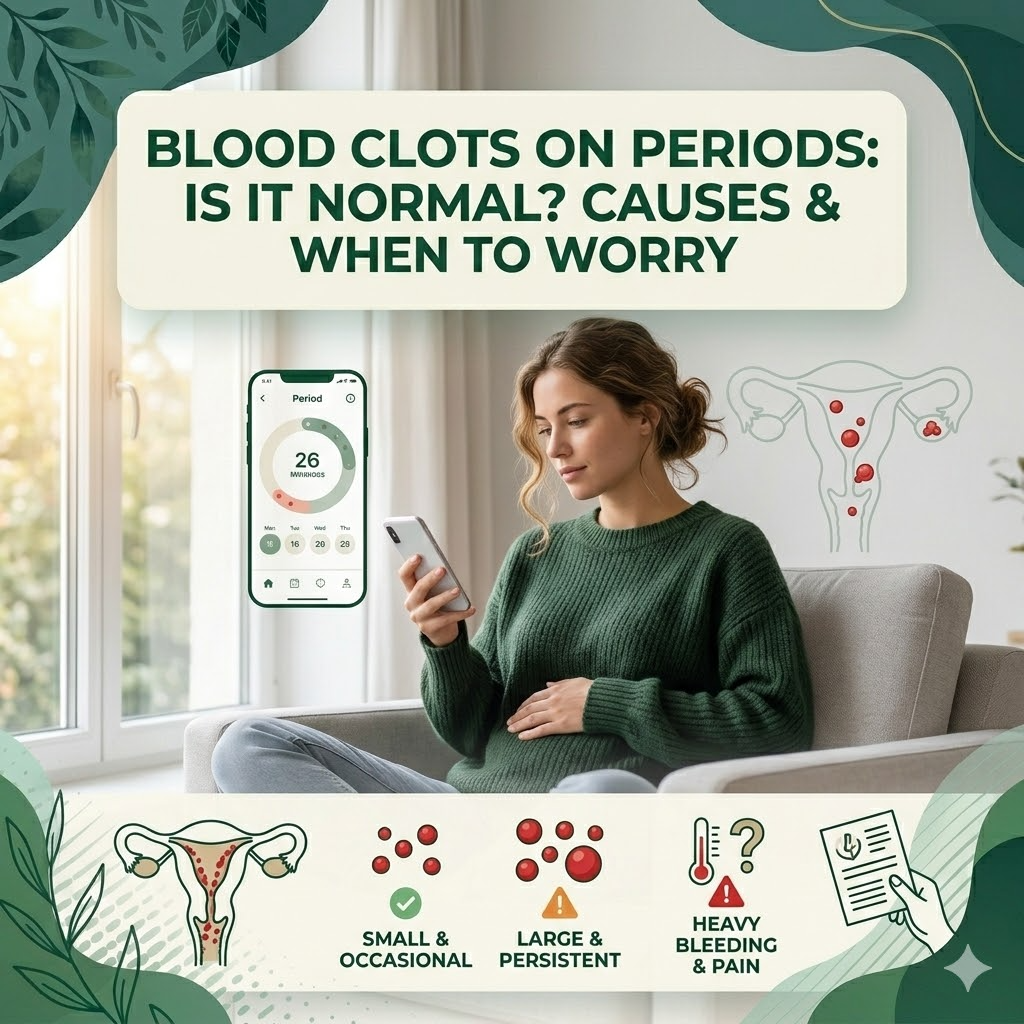
Yes, small blood clots during periods are often normal. Menstrual blood is a mixture of blood, tissue, and uterine lining. During heavier flow days, the body may not break down all the blood quickly, leading to small jelly-like clots. These are usually dark red or maroon in color and commonly appear in the first two days of menstruation when bleeding is heaviest.
Clots smaller than a coin and occurring occasionally are generally not a cause for concern.
Why Do Period Blood Clots Form?
The body produces natural anticoagulants to prevent excessive clotting. However, when menstrual flow is heavy, these substances may not work fast enough. As a result, blood collects in the uterus or vagina and forms clots before leaving the body.
Several factors can increase the likelihood of blood clots:
1. Heavy Menstrual Bleeding (Menorrhagia)
If your periods are unusually heavy, you may notice larger or more frequent clots. Heavy bleeding can overwhelm the body’s clot-preventing mechanism.
2. Hormonal Imbalance
An imbalance between estrogen and progesterone can cause thickening of the uterine lining. When this thick lining sheds, it may result in heavier flow and clot formation.
3. Uterine Fibroids
Non-cancerous growths in the uterus can increase menstrual bleeding and lead to clotting. Fibroids are common among women of reproductive age.
4. Polycystic Ovary Syndrome (PCOS)
Irregular ovulation in PCOS can cause the uterine lining to build up over time, leading to heavier bleeding and clots when menstruation finally occurs.
5. Endometriosis or Adenomyosis
These conditions may cause painful and heavy periods, sometimes accompanied by clots.
Symptoms That May Indicate a Problem
While occasional small clots are normal, certain symptoms require medical attention:
- Clots larger than a 10-rupee coin
- Soaking through pads or tampons every hour
- Periods lasting longer than 7 days
- Severe pelvic pain
- Fatigue or weakness due to blood loss
- Irregular menstrual cycles
These signs may indicate underlying conditions such as fibroids, hormonal disorders, or other gynecological issues.
Impact on Fertility
Heavy bleeding and frequent clotting may sometimes signal ovulation problems or uterine abnormalities. Since healthy ovulation and a normal uterine environment are essential for pregnancy, untreated menstrual disorders can affect fertility. Early diagnosis helps prevent long-term complications.
At Genesis IVF Fertility Hospital, Salem, we conduct detailed evaluations including ultrasound scans, hormonal testing, and diagnostic procedures to determine the exact cause of abnormal menstrual bleeding.
When Should You See a Doctor?
You should consult a fertility or gynecology specialist if:
- Clots are consistently large or frequent
- You experience dizziness or anemia symptoms
- Period pain interferes with daily life
- Your cycle suddenly changes pattern
Timely treatment can regulate bleeding, reduce discomfort, and protect reproductive health.
Treatment Options
Treatment depends on the underlying cause. Hormonal therapy, medications to reduce bleeding, lifestyle changes, or minimally invasive procedures may be recommended. In some cases, fertility-focused treatments may be necessary if reproductive goals are affected.
Conclusion
Blood clots during periods are often normal, especially during heavy flow days. However, large or frequent clots combined with heavy bleeding or severe pain should not be ignored. Understanding your menstrual cycle is key to maintaining reproductive health. At Genesis IVF Fertility Hospital, Salem, our experienced specialists provide comprehensive diagnosis and personalized treatment plans to ensure women achieve hormonal balance, healthy cycles, and the best possible fertility outcomes with expert care and compassion.